
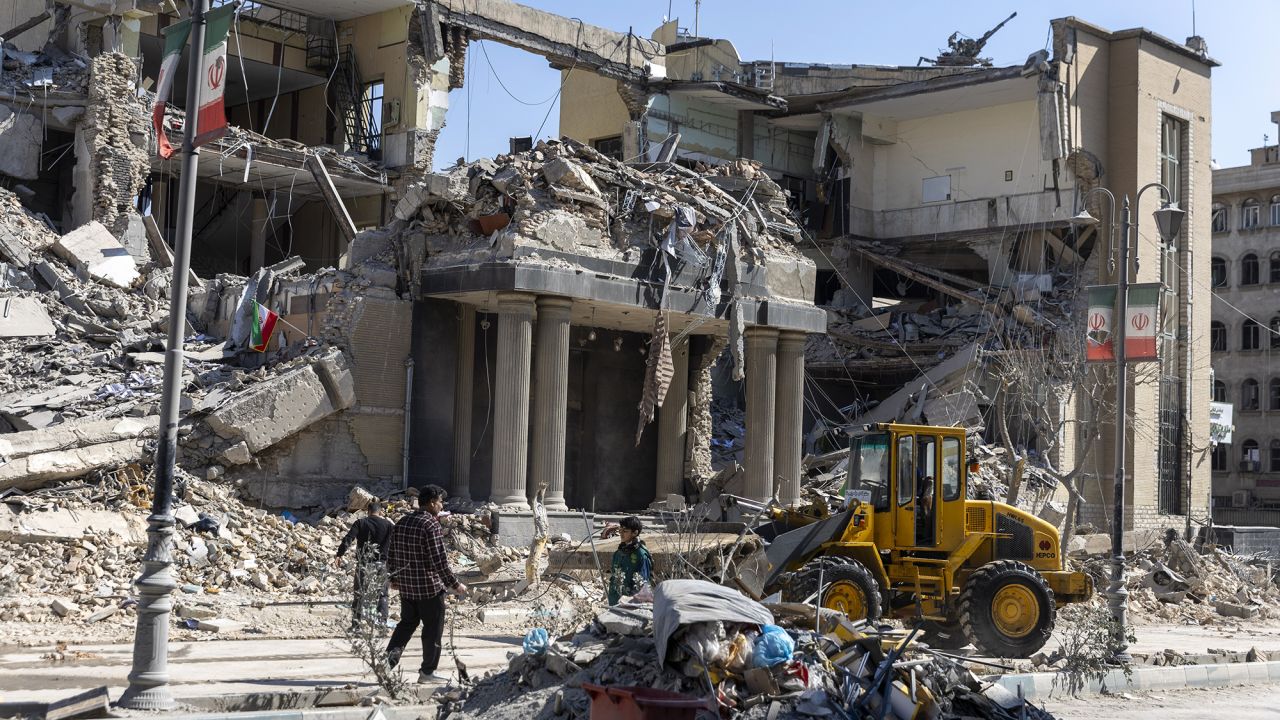
U.S. and NATO Escalate Response
The Chairman of the Joint Chiefs of Staff announced that the U.S. military is moving beyond border engagements. Defense Secretary Pete Hegseth cautioned the American public that the U.S. is still in the “very early” stages of its campaign against Tehran, suggesting a prolonged and intensifying conflict.
Key Military Engagements Today:
- Indian Ocean Strike: A U.S. submarine successfully torpedoed and sank an Iranian warship in the Indian Ocean, significantly disrupting Tehran’s maritime reach.
- NATO Intervention: NATO air defense systems intercepted and shot down an Iranian missile over Iraq and Syria. Turkey confirmed the projectile was tracking toward its airspace, marking a rare direct defensive action by the alliance in this theater.
Humanitarian Crisis and Rising Death Toll
The human cost of the three-day-old war is mounting. According to the Human Rights Activists News Agency (HRANA), more than 1,000 people have been killed within Iran since the commencement of strikes.
The Global Scramble to Evacuate:
- Embassy Closures: The U.S. has shuttered embassies in three regional nations and drastically reduced diplomatic staffing across the Middle East.
- Safe Corridors: The United Arab Emirates (UAE) has established emergency “safe air corridors” with neighboring countries to facilitate the evacuation of thousands of stranded foreign nationals.
- Travel Warnings: The State Department has issued a “Level 4: Do Not Travel” advisory for the entire region, urging all remaining Americans to depart immediately via commercial or chartered means.
Economic and Geopolitical Fallout
As the war spreads, global markets are reacting to the instability. With the Strait of Hormuz effectively a combat zone, shipping giants have suspended all transit, leading to a projected spike in global energy costs. Diplomats at the UN are reportedly in emergency sessions, though a “forward-looking partnership” seems distant as long as strikes continue into the Iranian heartland.