
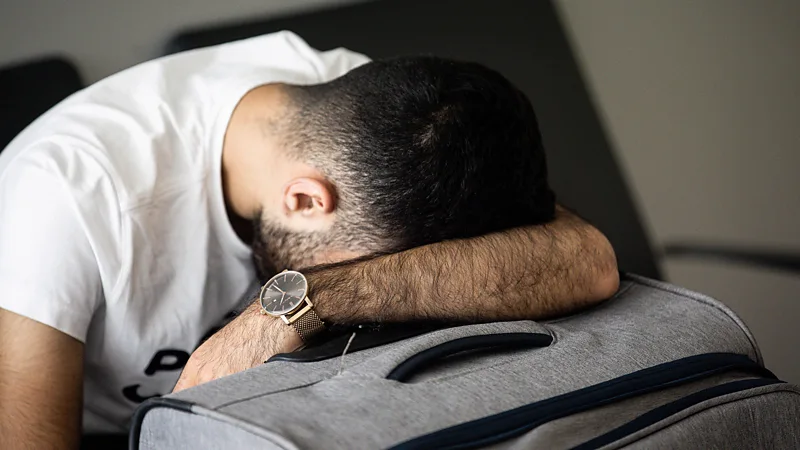
The Fatigue Epidemic
A 2023 meta-analysis revealed that one in five adults worldwide experiences persistent fatigue lasting up to six months, even without underlying medical conditions. In the UK, one in eight adults reports being tired “all the time.” Interestingly, studies consistently show that women are more likely to experience general fatigue than men.
Why Sleep Quantity Isn’t Enough
Scientists distinguish between sleepiness (the urge to fall asleep) and fatigue (a multidimensional lack of energy). Even with a full night’s rest, your energy may be drained by:
- Disrupted Glymphatic System: During deep sleep, the brain’s waste-clearance system flushes out toxins. Interrupted sleep halts this process, leaving you feeling groggy.
- Circadian Misalignment: Sleeping at the wrong time (e.g., shift work) reduces REM sleep, which is vital for emotional regulation and memory.
- The “Tired but Wired” Cycle: Chronic stress keeps cortisol levels high, preventing the body from reaching restorative deep-sleep stages.
- Nutrient Deficiencies: Low levels of iron, magnesium, B12, or Vitamin D can cripple energy metabolism.
Hidden Culprits
Beyond the bedroom, fatigue is often fueled by:
- Dehydration: Even mild water loss slows down blood flow and oxygen delivery to the brain.
- Caffeine Half-Life: Coffee at noon can still interfere with deep sleep at midnight.
- Undiagnosed Sleep Apnea: Snoring or gasping for air prevents your brain from ever truly “powering down.”