UN Security Council Braces for Saturday Vote on Strait of Hormuz Crisis
UN Security Council Braces for Saturday Vote on Strait of Hormuz Crisis. UNITED NATIONS — Tensions at the UN headquarters have reached a breaking point as the Security Council prepares for a high-stakes vote on Saturday, April 4, 2026. At the centre of the debate is a Bahraini-led resolution aimed at reopening the Strait of Hormuz, which has been effectively paralysed for over a month following the outbreak of conflict between the U.S., Israel, and Iran.
While Bahrain and its Western allies are pushing for a “decisive response” to Iran’s attempts to control the waterway, a looming veto from China threatens to stall the international community’s most significant attempt to stabilise global oil markets. MediaXTrand reports on the upcoming UN Security Council vote to protect shipping in the Strait of Hormuz.
UN Security Council: The Resolution: “All Defensive Means Necessary”
MediaXTrand reports on the upcoming UN Security Council vote to protect shipping in the Strait of Hormuz. The draft resolution, finalised by Bahrain (the current Security Council chair), seeks to authorise a maritime protection mission for an initial period of six months.
- The Mandate: The text authorises the use of “all defensive means necessary” to ensure the safety of commercial shipping.
- The Compromise: In an effort to avoid an immediate Russian or Chinese veto, Bahrain previously removed explicit references to “binding enforcement”, though the “defensive means” clause remains a major sticking point.
- The Opposition: China’s envoy, Fu Cong, has stood firm against the authorisation of force, arguing it would “legitimise the unlawful use of force” and lead to an uncontrollable escalation in the Gulf.
UN Security Council: A Divided Council: The Vote Count
To pass, the resolution requires nine affirmative votes and zero vetoes from the “P5” permanent members.
| Bloc | Position | Key Concerns |
| Pro-Resolution | USA, UK, Bahrain, Arab League | Global energy security; stopping “illegal” Iranian tolls. |
| The Skeptics | France, Russia | Concerns over the exact definition of “defensive means.” |
| The Opposition | China | Strict opposition to military escalation; calls for diplomacy. |
Economic Fallout: Oil Prices and Global Trade
The deadlock in New York is mirrored by chaos in the commodity markets. Since the conflict erupted in late February, oil prices have remained at historic highs.
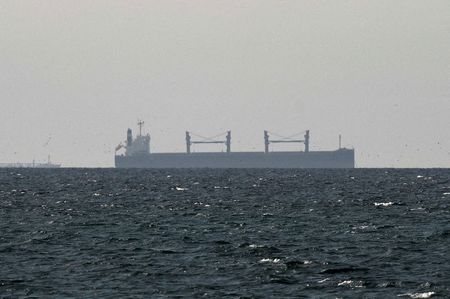
Shipping Stalls: Most major insurers have now suspended coverage for transit through the Strait, effectively orphaning dozens of fully loaded tankers currently anchored in Dubai and Kuwait.
Trump’s Stance: On Wednesday, President Trump vowed to continue military strikes against Iranian infrastructure but notably refrained from detailing a specific plan to physically reopen the Strait.
Market Anxiety: This lack of a clear “convoy plan” from Washington has fueled fears that the U.S. may not take the lead in escorting tankers, leaving the responsibility—and the risk—to a fractured UN coalition.
Report by MediaXTrand.