
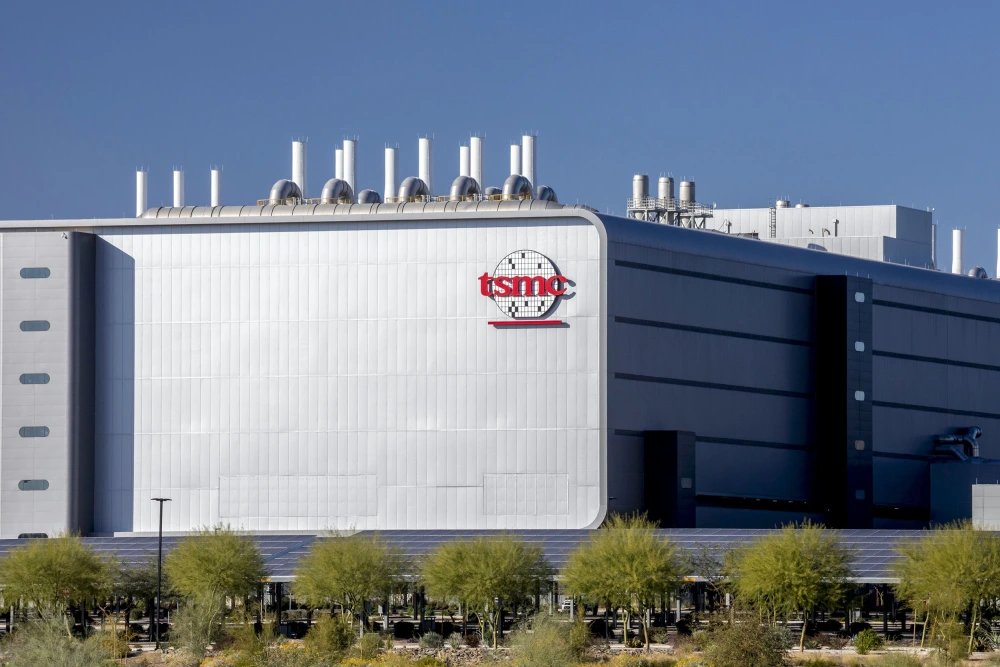
The Enflame S60 Investigation: TSMC and U.S. Export Controls
The dispute reached a boiling point on February 27, 2026, when research firm TechInsights published a preliminary report. The analysis found that the Enflame S60—a chip designed for large-scale data centers—was fabricated using TSMC’s advanced processes, which rely on regulated U.S. technology.
Key Highlights of the Case:
- The “Violation” Threshold: Under U.S. rules, any chip exceeding specific “Total Processing Performance” (TPP) levels is restricted. TechInsights initially classified the S60 as a controlled item before removing the classification following legal pressure.
- Tencent’s Shadow: Industry experts describe Enflame as a “proxy” or outsourced designer for Tencent. This connection raises red flags that advanced Western-made chips are reaching China’s largest cloud providers through third-party intermediaries.
- TSMC’s Defense: TSMC has vehemently denied any wrongdoing, stating that the chip’s features “do not meet the criteria for a controlled AI chip.”
- Mass Deployment: Despite the scrutiny, thousands of S60 chips were reportedly manufactured in 2024 and are already active in Chinese AI infrastructure.
Trump Administration’s Shift: The H200 Deal vs. Blacklisted Firms
The Enflame investigation comes at a complex time for U.S.-China relations. In early 2026, the Trump administration introduced a “market share” strategy, softening some restrictions to allow Nvidia to sell H200 chips to “approved” Chinese customers—provided the U.S. government receives a 25% revenue cut.
However, this “softening” does not apply to firms like Huawei or Enflame, which remain under intense scrutiny.
“Enflame isn’t just a startup; it’s a critical arm of China’s AI strategy,” notes Lennart Heim, a semiconductor policy expert. “This shows a pattern of chips getting through TSMC that shouldn’t have.”