
“A Test of Everything”: Iranian Women Footballers Break Silence on Asian Cup Asylum Saga
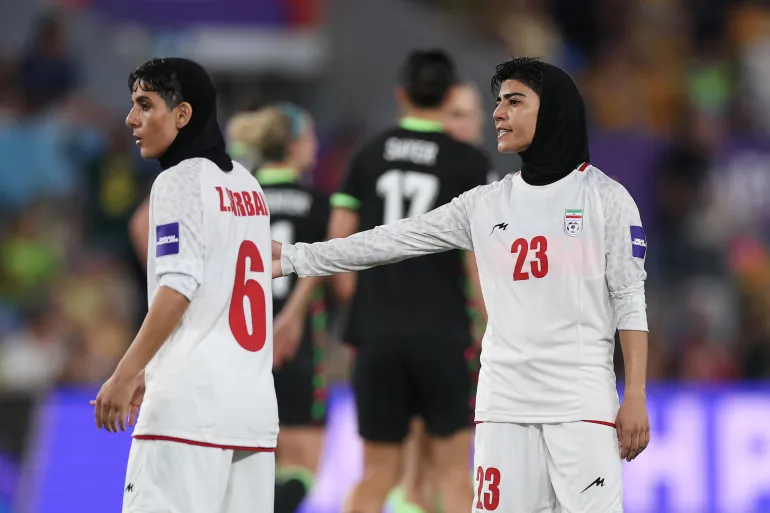
“A Test of Everything”: Iranian Women Footballers Break Silence on Asian Cup Asylum Saga. TEHRAN / SYDNEY — In an exclusive and harrowing account provided to Al Jazeera, Iranian national footballers Mona Hamoudi and Zahra Sarbali have detailed the “enormous pressure” that led them to seek—and then unexpectedly withdraw—asylum during the 2026 Women’s Asian Cup in Australia.
The tournament, which began in early March, became a flashpoint for international geopolitics following the outbreak of war between the U.S., Israel, and Iran in late February. For the “Lionesses of Iran”, the pitch became a secondary concern to a life-altering dilemma of safety, protest, and national duty. MediaXTrand covers Iranian women footballers asylum in Australia 2026
Iranian Women : Timeline of a Crisis: From Protest to Asylum
MediaXTrand covers Iranian women footballers asylum in Australia 2026. The saga was ignited by a silent protest that reverberated far beyond the stadium walls.
- March 2: The squad remained silent during the national anthem before their opener against South Korea.
- The Backlash: Iranian state television immediately branded the women “traitors”, with commentators calling their silence the “pinnacle of dishonour” and demanding severe punishment.
- The Surveillance: Fear escalated as reports emerged that the players were being closely monitored by Iranian government officials and football minders throughout the group stages.
- The Asylum Claim: Following three defeats and elimination, five players (including Hamoudi and Sarbali) and one staff member were granted humanitarian visas by Australian authorities.
- The Reversal: On March 10, in a move that shocked the Iranian diaspora, five of the seven claimants—including the two veteran midfielders—withdrew their applications and returned to Tehran.
The “Double-Sided” Pressure
Both Hamoudi and Sarbali, both 32, described feeling trapped between two opposing forces of intense scrutiny.
- State Retribution: The constant fear of how their families in Iran would be treated and whether their careers would be permanently terminated upon their return.
- Diaspora Expectations: The Iranian-Australian community placed immense pressure on the players to take a definitive political stance, leading to what Sarbali described as “harassment and constant following” on social media.
“Every choice carried consequences—for my life, for my family, and for my sporting future. This dilemma caused me constant anxiety.” — Mona Hamoudi
The Ordeal of the Return
While the players declined to state exactly why they changed their minds on the record, they described the decision as a “national obligation” and a sense of duty to family rather than a “free choice made in safety”.
A Warning to the Future: Veteran commentator Adel Ferdosipour noted that the unprecedented media coverage has turned a sports event into a public affair, warning that harsh treatment of these athletes could deter future women from ever representing the national team.
Arrival in Tehran: Hamoudi described the atmosphere upon landing as a “mix of curiosity, astonishment, and caution”.
Psychological Weight: Former head coach Maryam Irandoust warned that the trauma of the saga would carry a heavy psychological toll, potentially “derailing the players’ futures” if they are met with further punishment rather than support.
Report by MediaXTrand.