
India-France Tax Treaty Update: Lower Dividend Levies for Top French Investors
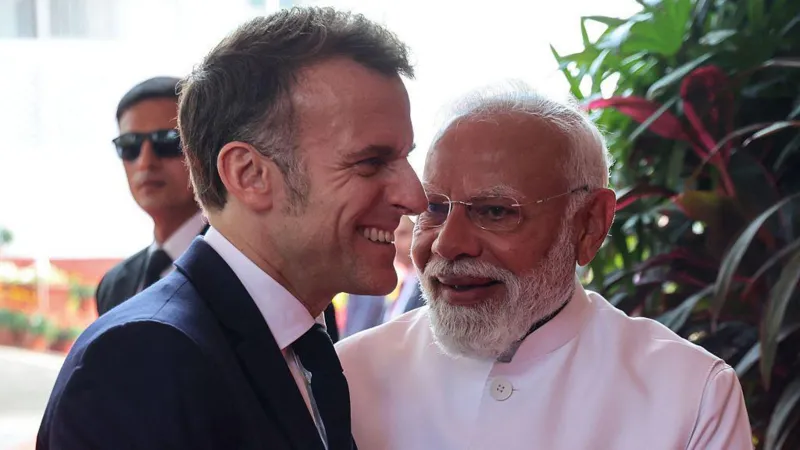
India and France have revised their long-standing tax agreement to better reflect modern economic ties. The changes arrived shortly after French President Emmanuel Macron’s visit to India. During the trip, both nations elevated their relationship to a “Special Global Strategic Partnership.”
The new treaty is designed to encourage long-term, large-scale investments. It targets major French players already active in the Indian market, such as Sanofi, Renault, and L’Oreal. Officials believe this will secure economic activity and pave the way for deeper collaborations in defense and technology.
Dividend Tax: The Winners and Losers
The most significant change lies in the dividend tax structure. The treaty now distinguishes between major stakeholders and smaller investors.
- Large Investors: French companies holding at least a 10% stake in an Indian firm will see their dividend tax cut in half. The rate drops from 10% to 5%.
- Smaller Investors: For those holding less than a 10% stake, the dividend tax will actually rise. The rate increases from 10% to 15%.
This strategic shift clearly incentivizes French entities to take larger, more stable positions in the Indian economy. As of early 2026, French portfolio investors hold roughly $21 billion in Indian equities.
Expanding India’s Tax Powers
While offering breaks on dividends, India has secured more authority to tax capital gains. The new rules allow New Delhi to tax the sale of shares even when a French entity owns a small fraction of an Indian company.
Additionally, the treaty removes the “Most-Favoured-Nation” (MFN) clause. This follows a 2023 Indian Supreme Court ruling. Previously, French firms could automatically claim lower tax rates if India offered better terms to another OECD member. Now, those benefits are no longer automatic.
Aligning with Global Standards
Global consultancy firm KPMG noted that the revised treaty aligns India with international tax standards. By removing automatic clauses and adjusting rates, India is looking to safeguard its tax base. At the same time, it is creating a more predictable environment for high-value foreign direct investment (FDI).
The treaty will officially take effect once both governments complete their final legal approvals later this year.